Dr. John Perna

Types of Dental Bridges in Oak Park, IL

Restore Your Smile

Missing teeth can affect more than just your appearance. They can impact chewing, speaking, and the alignment of your remaining teeth. 

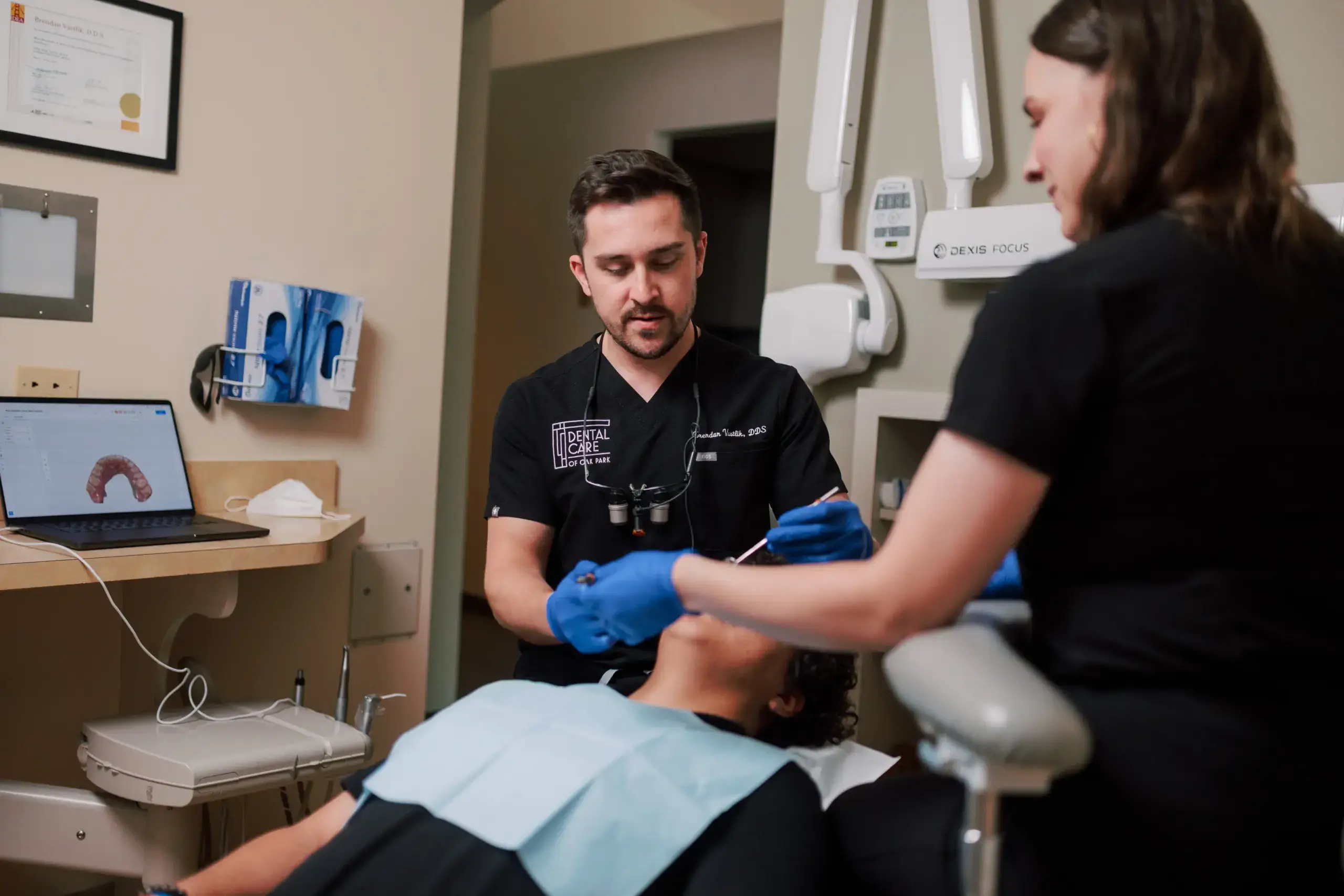
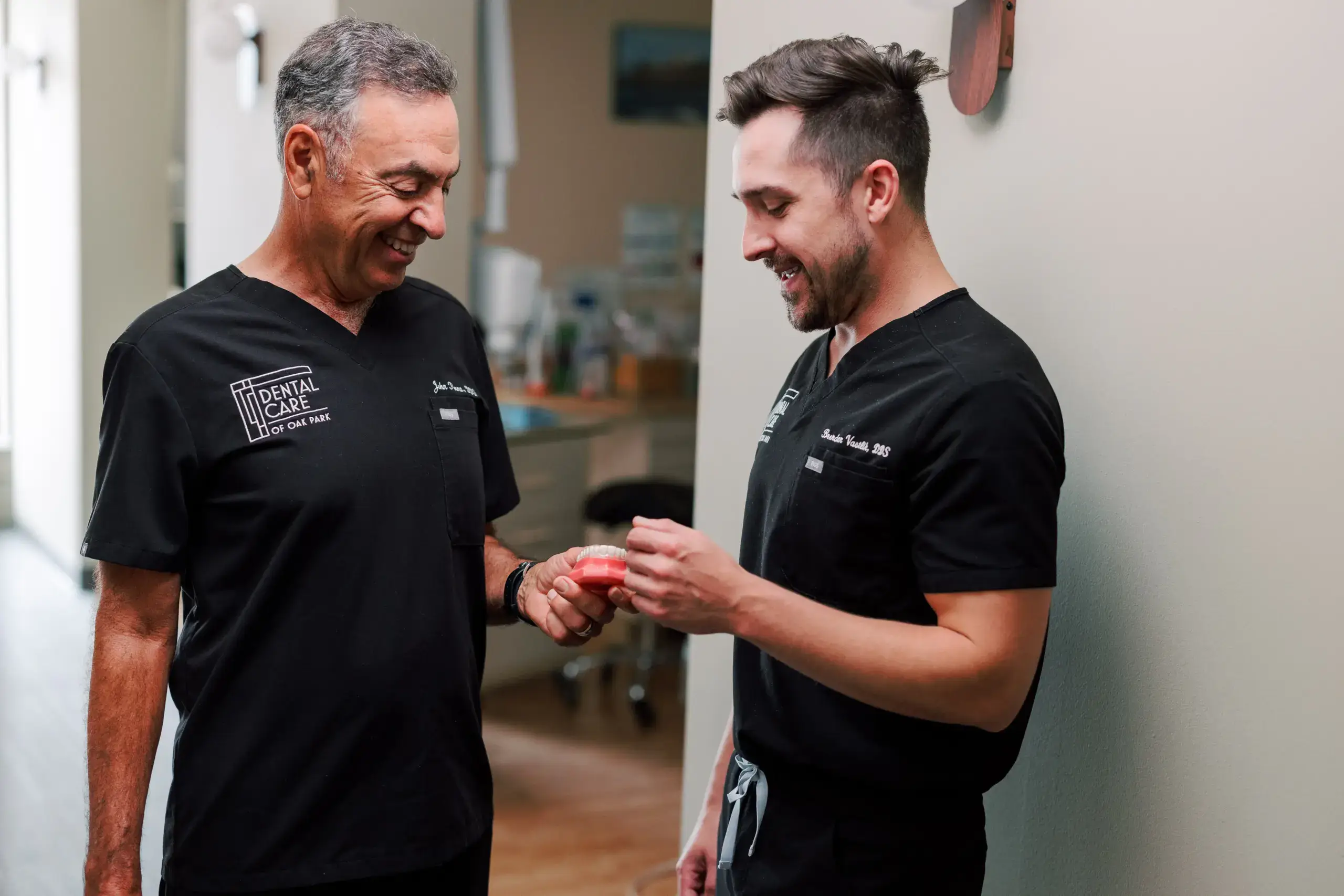
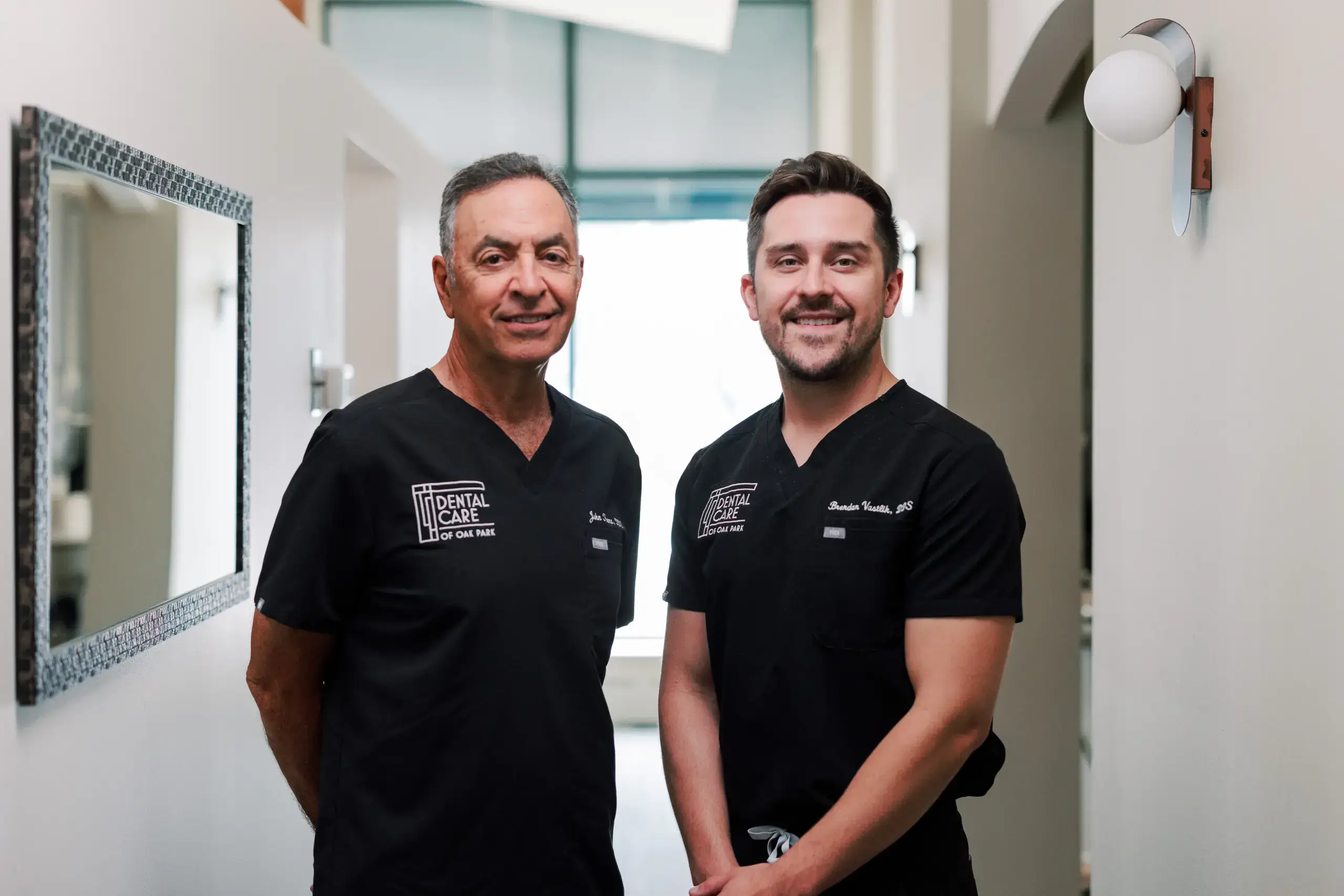
At Dental Care of Oak Park, Dr. Vastlik and Dr. Perna offer a variety of dental bridge options to restore your smile and maintain oral health. Each type of bridge is designed for specific needs, and we help you choose the one that fits your situation, goals, and lifestyle.
Request Appointment

What Are Dental Bridges and Who Needs Them?

A dental bridge is a fixed restoration that replaces one or more missing teeth by anchoring artificial teeth, called pontics, to surrounding natural teeth or dental implants. Patients with missing teeth who have healthy neighboring teeth or implants are good candidates for bridges.

Dental bridges provide both cosmetic and functional benefits. They help maintain facial structure, restore chewing and speaking ability, and prevent shifting of adjacent teeth. For patients seeking reliable tooth replacement in Oak Park, bridges are a time-tested and effective solution.

Request Appointment

Main Types of Dental Bridges

Understanding the types of bridges available helps you make an informed decision with your dentist.
Contact Us

Traditional Dental Bridges

Traditional bridges are the most common. Pontics are anchored by crowns on the adjacent natural teeth.

Ideal for: Patients with strong, healthy teeth on both sides of the gap.
Pros: Durable, widely available, and cost-effective.
Cons: Requires reshaping of adjacent teeth, less conservative than other options.

Cantilever Dental Bridges

Cantilever bridges attach to only one neighboring tooth and are typically used where bite pressure is low, often in the front teeth.

Pros: Requires less preparation of surrounding teeth.
Cons: Less stable and higher risk of stress on the supporting tooth.

Maryland (Resin-Bonded) Bridges

These bridges use a metal or porcelain framework bonded to the back of adjacent teeth.

Ideal for: Replacing front teeth and patients who want a conservative option.
Pros: Minimal alteration of natural teeth, affordable.
Cons: Less durable under strong biting force and risk of debonding.

Implant-Supported Bridges

Implant-supported bridges are anchored to dental implants instead of natural teeth, providing a stable, long-term solution.

Ideal for: Multiple missing teeth or patients seeking maximum stability.
Pros: Very stable, long-lasting, preserves jawbone health.
Cons: Requires surgery and healing time, higher initial cost.

Contact Us
Dr. Brendan Vastlik

Materials Used for Dental Bridges

Dental bridges can be made from various materials to match aesthetics and strength needs.

  • Porcelain Fused to Metal: Durable with a natural look, may show metal line at the gum.
  • All-Ceramic: Highly aesthetic, ideal for front teeth, slightly less durable for molars.
  • Zirconia: Strong, natural-looking, suitable for front and back teeth.
  • Metal Alloys (Gold or Base Metals): Extremely strong and long-lasting, usually for back teeth.

Drs. Vastlik and Perna guide patients in selecting the right material for your smile and functional needs.

Request Appointment

What to Expect During Treatment

Clear aligner therapy is designed to fit into your routine with minimal disruption.

Dental Bridge Consultation in Oak Park

Your dentist will review your oral health and discuss which type of bridge is best for you.

Tooth Preparation and Impressions

Adjacent teeth may be shaped to hold crowns, and impressions are taken for the custom fabrication of your bridge.

Temporary Bridge Placement

A temporary bridge protects your teeth and gums while your permanent restoration is created.

Final Placement and Adjustments

Your permanent bridge is fitted, adjusted, and cemented for a comfortable and natural bite.

Our team is here to answer questions along the way and make sure you feel comfortable with each step.

Caring for Your Dental Bridge

Proper care extends the life of your bridge.

Home Care Tips

  • Brush twice daily with fluoride toothpaste
  • Use floss threaders or interdental brushes under the pontic
  • Avoid sticky or hard foods that could damage the bridge
  • Schedule professional cleanings every six months

With consistent care, most dental bridges last 5–15 years or longer.

Request Appointment

Dental Bridges vs. Implants

Bridges offer a faster and often more affordable solution than implants, but implants preserve bone and provide long-term stability. Your dentist will review which option best meets your oral health goals and lifestyle.

Schedule Your Dental Bridge Consultation

If you’re missing teeth, a dental bridge can restore both function and confidence. At Dental Care of Oak Park, we provide personalized treatment plans, material guidance, and detailed instructions for care and longevity.

Contact our Oak Park office at (708)-792-2516 or fill out our form to schedule a consultation and explore the right dental bridge solution for your smile.

schedule consultation