


Many patients visit our office with a desire to improve their smile. You might feel unsure about which dental solution fits your needs. Two common options often come up in these conversations: veneers and dentures. While both improve the look of your smile, they serve very different purposes.
Knowing the difference between veneers and dentures helps you make the right choice for your oral health. In short, veneers cover existing teeth to fix cosmetic issues. Dentures replace missing teeth to restore function.
What Are Veneers?
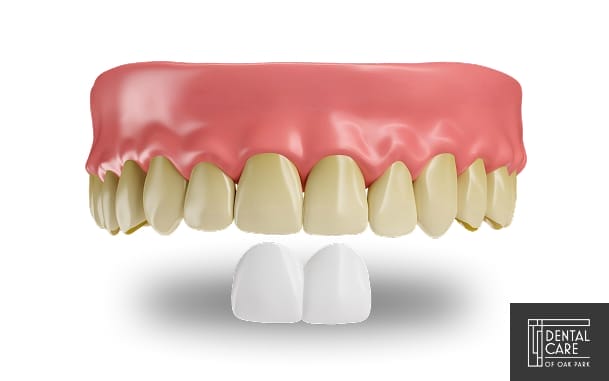
Porcelain veneers are thin coverings that fit over the front surface of your natural teeth. A dentist bonds them to the tooth to change its color, shape, size, or length.
They are one, if not the most, coveted cosmetic treatments dentistry has to offer.
They do not replace missing teeth. Instead, they enhance the teeth you already have.
Most veneers consist of porcelain or composite resin. These materials look like natural tooth enamel. They resist stains and mimic the light-reflecting properties of real teeth.
Who Should Consider Veneers?
Veneers are best for people with healthy gums and strong underlying tooth structure. If you have minor cosmetic issues but your roots are intact, veneers are a good option. You must have enough healthy enamel for the veneer to bond correctly.
Patients who grind their teeth may need night guards to protect the veneers.
How Veneers Enhance Cosmetic Dentistry Goals
Veneers address aesthetic imperfections quickly. They fix chips, cracks, or gaps between teeth. If you have severe discoloration that whitening treatments cannot fix, veneers offer a permanent solution.
They create a uniform, bright smile.
The process creates a straighter appearance without the need for braces in some cases.
Pros and Cons of Veneers
Veneers offer significant benefits, but they also come with specific considerations.
- Natural Appearance: Porcelain mimics the look of real teeth and resists staining.
- Durability: With proper care, they can last 10 to 15 years.
- Minimal Removal: The process preserves most of your natural tooth structure.
- Irreversible: The dentist must remove a small amount of enamel, so the process is permanent.
- Sensitivity: You may feel increased sensitivity to hot or cold foods briefly after placement.
- Cost: Insurance rarely covers veneers because they are a cosmetic procedure.
What Are Dentures?
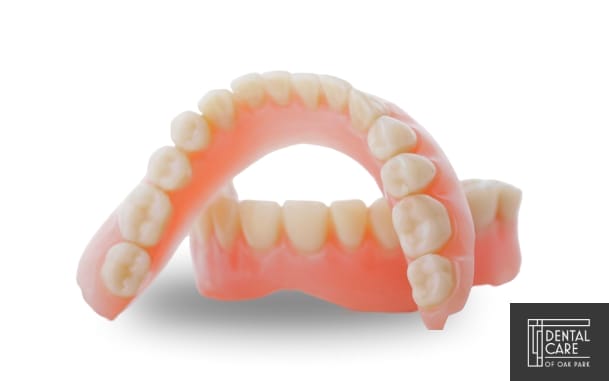
Dentures are removable appliances that replace missing teeth and surrounding tissue. Unlike veneers, dentures do not attach to individual teeth. They sit on the gums or attach to implants. They restore your ability to chew and speak if you have experienced significant tooth loss.
Types of Dentures: Full vs Partial vs Implant Supported
There are two main types of dentures: full and partial.
Full dentures replace an entire arch of teeth. You use these when all teeth on the top or bottom jaw are missing. They rest on the gums and rely on suction or adhesive for stability.
Partial dentures are for patients who still have some natural teeth. They consist of replacement teeth attached to a gum-colored base. A metal or plastic framework connects them. This option fills the gaps and prevents other teeth from shifting.
Implant-supported dentures are a more secure and stable alternative. These dentures attach to dental implants that are surgically placed into the jawbone, offering superior retention and preventing slippage. They feel more like natural teeth and can help preserve jawbone health.
Related Article: Dentures vs Implants: A Dentist’s Guide
Ideal Candidates for Dentures
Dentures suit patients who have lost several or all of their teeth due to decay, gum disease, or injury. They are also a solution for patients who do not have strong enough bone density for dental implants. Age is not the only factor; young people with extensive dental damage also benefit from dentures.
Pros and Cons of Dentures
Dentures are a time-tested solution for restoring oral function.
- Functionality: They restore the ability to bite and chew most foods.
- Support: Dentures support your facial structure, preventing the sagging face look associated with tooth loss.
- Versatility: Options exist for total or partial replacement.
- Cost-Effective: They are generally more affordable than implants or full sets of veneers.
- Adjustment Period: Eating and speaking require practice and patience.
- Maintenance: They require daily removal and cleaning.
- Bone Loss: Traditional dentures do not stop jawbone loss over time.
Related Article: How Long Does it Take to Get Dentures?
Veneers vs Dentures at a Glance
The table below breaks down the primary differences between these two dental solutions.
| Feature | Veneers | Dentures |
|---|---|---|
| Primary Purpose | Cosmetic enhancement of existing teeth | Replacement of missing teeth |
| Placement | Bonded to the front of natural teeth | Sits on gums or is attached to remaining teeth/implants |
| Removability | Fixed and permanent | Removable (unless implant-supported) |
| Invasiveness | Minimally invasive (requires some enamel removal) | Non-invasive (unless extraction is needed) |
| Candidate | People with healthy, stained, or chipped teeth | People with significant tooth loss |
What Are the Cost Differences?
Cost is a major factor for many patients. Veneers are, almost all the time, more expensive per tooth than dentures. And because veneers fall under cosmetic dentistry, insurance plans usually do not cover them. You pay for the materials and the customized lab work.
Dentures are a restorative procedure. Most dental insurance plans cover a portion of the cost for partial dentures or full dentures. The total price depends on the materials used and the preparation required, such as extractions. We can discuss your specific dental needs and payment options during a consultation.

Key Factors to Consider Before Choosing
Making a choice involves looking at your health, finances, and lifestyle.
Your Age and Oral Health History
Your oral health history dictates your options. If you have gum disease or weak roots, veneers are likely not an option until you address those issues. Younger patients with missing teeth might prefer implants or bridges, while dentures remain a viable option for any age group facing total tooth loss.
Budget and Insurance Coverage
Review your policy. If you need a solution for health reasons, insurance supports dentures. If you want a smile makeover for aesthetic reasons, prepare for out-of-pocket costs with veneers.
Long-Term Oral Care Plans
Think about the maintenance you are willing to perform. Veneers require the same brushing and flossing as natural teeth. Dentures need removal and soaking. Consider which routine fits your lifestyle better.
Personal Goals for Smile Aesthetics
Ask yourself what you want to achieve. Do you want to fix a few chips? Veneers are the answer. Do you need to fill large gaps from missing teeth to eat properly? Dentures are the correct path.
How Dental Prosthetics Have Evolved in Modern Dentistry
Dentistry has changed. Solutions today look better and feel more comfortable than they did twenty years ago.
Materials and Technology Advancements
Labs now create thin shells of porcelain that are incredibly strong. For dentures, modern acrylics and flexible base materials reduce irritation. Digital scanning allows for a precise fit, reducing the need for messy impression pastes.
Natural Look and Feel Compared to the Past
The “fake teeth” look is a thing of the past. We match composite resin and porcelain to the exact shade of your surrounding teeth. Modern dentures feature natural-looking gum tissue and teeth with realistic translucency.
Minimally Invasive Options on the Rise
We aim to save as much of your natural tooth as possible. New techniques allow for “no-prep” veneers in some cases. Implant-supported dentures offer a secure fit without covering the roof of your mouth. These advancements improve comfort and confidence.
Frequently Asked Questions
Do Veneers Last Longer Than Dentures?
Veneers typically last 10 to 15 years. Dentures often need replacement or relining every 5 to 8 years due to changes in the gum and bone ridges. Both require proper care to reach their maximum lifespan.
Can I Get Veneers If I’ve Lost Multiple Teeth?
No. Veneers require a stable tooth to stick to. If you have missing teeth, you need a bridge, an implant, or a denture.
Which Option Feels More Natural?
Veneers feel like your own teeth because they are bonded to them. Dentures take time to get used to because they sit on top of the gums. However, modern dentures are much lighter and less bulky than older versions.
Can I Switch from Dentures to Veneers Later?
You usually cannot switch from dentures to veneers. Veneers need natural teeth to support them. If you have dentures, you likely do not have the teeth required for veneers. However, you can often switch from traditional dentures to implant-supported options for a more secure feel.
Taking the Next Step for Your Smile
Choosing between veneers and dentures depends on your specific dental situation. Both solutions restore confidence and improve daily function. Schedule a visit with your dentist to review your oral health and discuss your personal goals. Professional guidance ensures you make an informed decision that suits your lifestyle.